You Don’t Have to Suffer: A New Perspective on Abdominal Health
Recently, I had the pleasure of sitting down with Michelle Hansen, founder of Moonshadow Healing Arts, to talk about a powerful yet often overlooked therapy: holistic abdominal therapy.
Michelle brings over 20 years of experience in bodywork and holistic health. Her journey began in nursing before evolving into massage therapy and advanced abdominal work. Today, she blends techniques from Maya abdominal therapy, Chinese abdominal therapy, and visceral manipulation to help support digestive health, pelvic health, fertility, and overall well-being.
And I can personally say—this work is incredible.
When I was pregnant with my twins, I had significant tension around a large abdominal scar. During my second trimester, the tightness became uncomfortable, and I could feel how it was affecting my body.
Michelle worked not only on my abdomen but on the surrounding structures that connect to it—my hips, back, and pelvis. She also taught me simple techniques I could use at home. The difference was remarkable. My pregnancy became much more comfortable, and my body was able to adapt all the way up to labor.
What Is Abdominal Therapy?
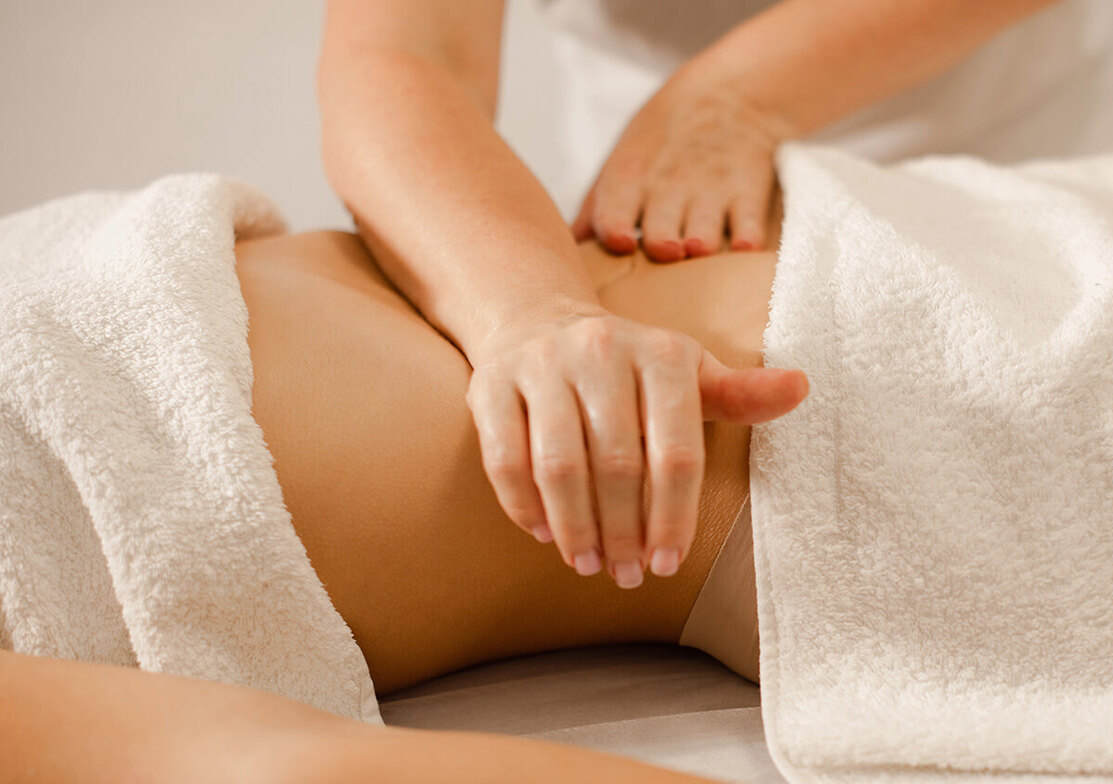
Many people assume abdominal therapy is simply a belly massage—but it’s much more than that.
This therapy focuses on the entire abdominal region—from the rib cage down to the pubic bone—and often includes work on the sacrum, hips, and upper legs.
Why? Because the body is deeply interconnected.
Tension in the abdomen can affect:
-
Blood flow
-
Lymphatic flow
-
Nervous system communication
-
Pelvic alignment
-
Organ function
When restrictions are released, circulation improves and the body can function more efficiently.
Better blood flow means better delivery of oxygen and nutrients to tissues—and during pregnancy, to the baby as well.
Why the Abdomen Matters More Than We Realize
Interestingly, many traditional massages avoid the abdomen entirely. Yet according to Michelle, this is one of the most important areas to address.
The abdomen houses critical organs and connective tissues that influence digestion, reproductive health, breathing, and even posture.
The diaphragm, for example, plays a huge role in breathing and nervous system regulation. Restrictions here can make it harder to breathe deeply and can contribute to tension throughout the body.
By restoring mobility and flow in this region, people often report feeling:
-
Lighter
-
Taller
-
More relaxed
-
More connected to their bodies
Conditions Abdominal Therapy Can Help Support
People seek out this work for many different reasons, including:
-
Fertility support (for both women and men)
-
Painful or irregular menstruation
-
PMS
-
Digestive issues
-
Scar tissue and adhesions
-
Endometriosis support
-
Pregnancy discomfort
-
Pelvic tension
One fascinating tool Michelle often recommends is castor oil packs, which can help soften scar tissue and improve circulation to the area.
Improving blood and lymph flow allows the body’s communication systems—especially the nervous and hormonal systems—to function more smoothly.
The Emotional Component
Another powerful part of abdominal therapy is how it can release stored tension.
Emotions are energy, and the body often holds onto them in physical tissues. During sessions, people sometimes experience emotional release—but it isn’t always dramatic.
Sometimes the shift is simply a feeling of relief, calm, or unexpected happiness.
When tension leaves the body, people often feel freer—physically and emotionally.
Supporting Pregnancy and Birth
One area Michelle especially loves working in is pregnancy.
Releasing tension around the pelvis and sacrum can help create more space for the baby and allow the pelvis to move more freely during labor.
In some cases, this work can even help encourage a breech baby to turn by creating more room in the pelvis.
Of course, babies ultimately decide their own positioning—but improving mobility and space can make a meaningful difference.
Why Practitioners Are Learning These Techniques
Michelle now teaches her method, called Embodied Traditions Holistic Abdominal Therapy, to massage therapists, midwives, chiropractors, and other practitioners.
Adding abdominal therapy can dramatically expand a practitioner’s ability to help patients.
For example, chiropractors often notice that their adjustments hold longer when abdominal restrictions are addressed.
When scar tissue, adhesions, or diaphragm restrictions are released, the whole body can respond more effectively to treatment.
One Final Message
When I asked Michelle what message she wants people to hear most, her answer was simple:
“You don’t have to suffer.”
Painful periods, digestive discomfort, fertility struggles, and pregnancy pain are often normalized—but that doesn’t mean they should be ignored.
There are tools and therapies available that can help the body restore balance and function.
Sometimes, it just takes addressing the area that’s been overlooked.

Dr. Madeline Klesk
Contact Me