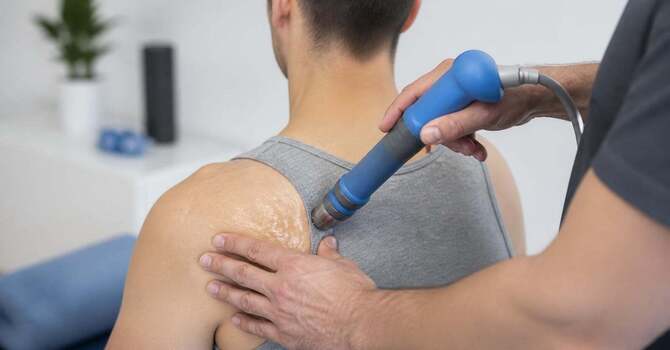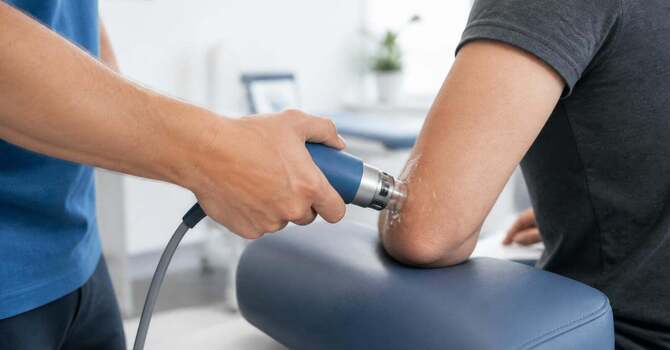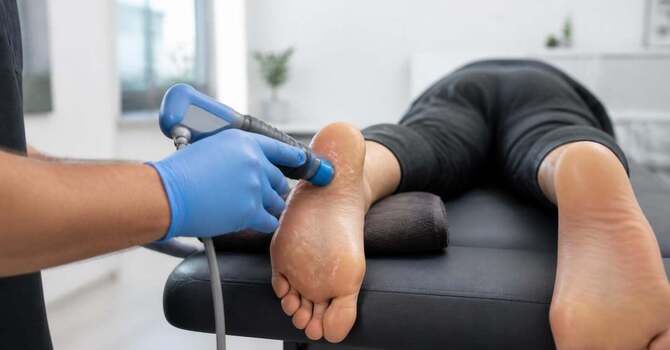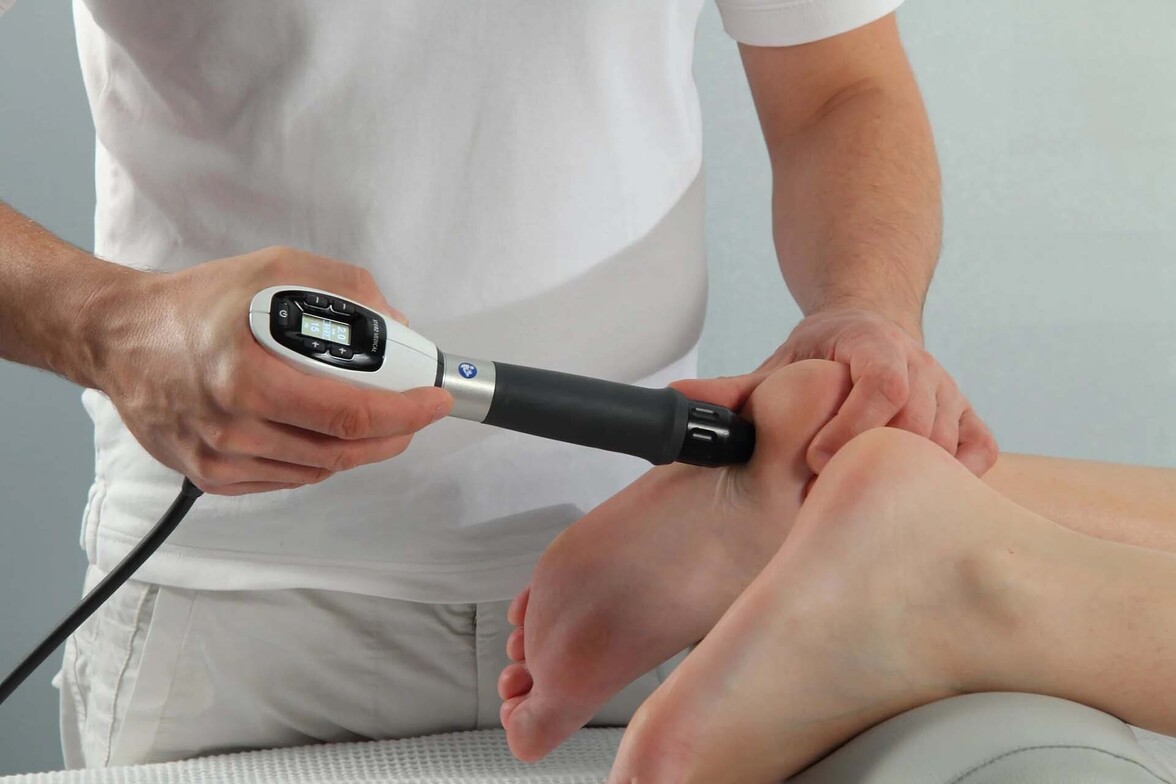
This therapy works by delivering acoustic (sound) waves through the skin to the affected area. These waves trigger a process called mechanotransduction, which stimulates your body’s natural healing response at the cellular level. In simple terms, it helps jump-start repair by increasing blood flow, encouraging tissue regeneration, and reducing pain signals.
There are two main types of treatments:
-
Focused shockwaves, which target deeper tissues and can support healing in both soft tissue and bone
-
Radial pressure waves, which are most effective for treating surface-level conditions like tendon and fascia injuries
Research shows that Shockwave Therapy may:
-
Promote tissue healing and regeneration
-
Improve blood flow to injured areas
-
Reduce pain by influencing nerve pathways
-
Support long-term recovery, with continued improvement over several weeks
One of the biggest advantages is that it’s noninvasive, requires little to no downtime, and has minimal side effects—typically mild soreness or redness at the treatment site.
While Shockwave Therapy is currently FDA-approved for certain chronic, stubborn musculoskeletal conditions—particularly those affecting tendons, soft tissue, and bone, such as plantar fasciitis, tennis elbow, Achilles tendinitis, rotator cuff pain, and shin splints—its applications continue to grow as new research highlights even broader benefits.
Be sure to check out the video above featuring Dr. Madeline demonstrating Shockwave Therapy in our clinic—you’ll get a firsthand look at how the treatment works and what to expect during a session.
If you’d like to learn more, click here to read the full article from Mayo Clinic.
Interested in booking an appointment? Call the clinic to book your first appointment at 50% off!

Dr. Madeline Klesk
Contact Me