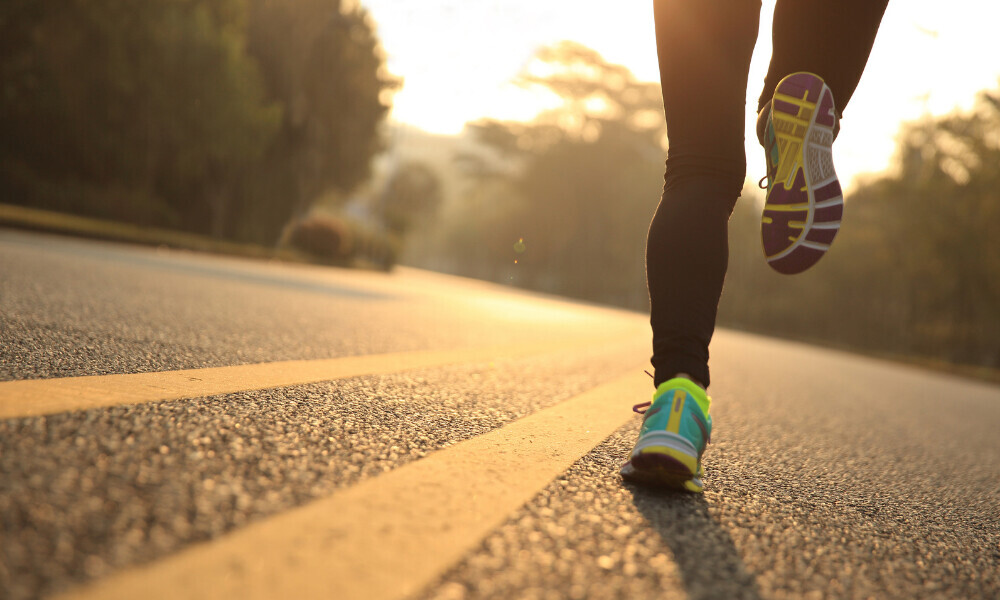
I sat down with Sam from TC Running Company to discuss how runners and walkers can find the best shoe for their unique needs and stay healthy throughout the season.
Why the Right Shoe Matters
TC Running Company is a locally owned specialty running store serving the Twin Cities through five community-focused locations. Their mission goes beyond simply selling shoes—they help runners and walkers find the right fit through gait analysis, personalized recommendations, and expert education.
One of the biggest misconceptions in running is that there is a single "best" shoe. In reality, the best shoe is the one that works best for your foot shape, gait pattern, and activity level.
Understanding Running Shoe Categories
Neutral vs. Stability Shoes
The first category TC Running evaluates is whether a person needs a neutral or stability shoe.
Stability shoes provide additional support for individuals who may overpronate or have more flexible arches. These shoes often include firmer foam or support structures designed to guide the foot through its natural motion.
Neutral shoes offer cushioning without the added support features and are often ideal for individuals whose gait does not require extra stabilization.
Importantly, neither category is "better." The goal is simply matching the shoe to the runner.
Cushioning Levels
Once the appropriate support category is identified, the next consideration is cushioning.
Running shoes range from:
-
Minimal cushioning
-
Mid-level cushioning
-
Maximum cushioning
While many people assume more cushioning is always better, comfort often comes down to personal preference. Some marathon runners continue to train and race in firmer, less cushioned shoes simply because that's what feels best for them.
Minimalist and Zero-Drop Shoes
Minimalist shoes feature lower stack heights and place the foot closer to the ground. Many also utilize a zero-drop design, meaning there is no height difference between the heel and toe.
These shoes encourage the foot and lower leg muscles to do more of the work naturally. However, they are not appropriate for everyone and should be selected based on individual biomechanics and experience.
The Rise of Performance and "Super Trainer" Shoes
One of the fastest-growing categories in running footwear is the performance trainer or "super trainer."
These shoes combine advanced foam technology and performance features found in racing shoes with the durability needed for training. They often provide a more responsive feel and can help runners during workouts or races.
However, Sam with emphasized that these shoes are not intended to be worn every day. Because they are more aggressive and less stable, they work best as part of a shoe rotation alongside a traditional daily trainer.
Most Popular Running Shoes Right Now
At TC Running Company, two of the most popular models continue to be:
-
Brooks Ghost
-
Hoka Clifton
Interestingly, Sam noted that popularity doesn't necessarily mean a shoe is right for everyone. Even the best-selling models may not fit every foot shape comfortably.
That's why professional fitting and gait analysis remain valuable tools when selecting footwear.
How to Stay Healthy During Running Season
As race calendars fill up and training mileage increases, injury prevention becomes increasingly important.
Sam's biggest recommendation: avoid doing too much, too soon.
Many runners enthusiastically jump into training plans after winter, only to increase their mileage faster than their bodies can adapt. Gradual progression remains one of the most effective ways to prevent overuse injuries.
Equally important is the supplemental work that often gets overlooked:
-
Warm-ups
-
Muscle activation exercises
-
Strength training
-
Plyometrics
-
Stretching
-
Recovery and cooldown routines
These supporting activities help build resilience and improve long-term performance.
Don't Forget Your Socks
Footwear isn't just about shoes.
Sam strongly recommends avoiding cotton socks while running. Cotton tends to trap moisture and increase friction, creating the perfect environment for blisters.
Instead, choose moisture-wicking synthetic materials such as polyester blends designed specifically for running and walking.
When Should You Replace Your Running Shoes?
A common question among runners is when it's time for a new pair.
Rather than focusing on time alone, Sam recommends tracking mileage. Most runners should begin paying close attention to shoe wear between 350 and 400 miles.
Common signs include:
-
Increased calf soreness
-
More fatigue after runs
-
Reduced cushioning feel
-
New aches and pains that weren't previously present
Mileage tracking provides a much more accurate replacement schedule than simply replacing shoes every few months.
Running Shoes Make Great Walking Shoes
One final takeaway surprised many people: running shoes often make excellent walking shoes.
Because running shoes undergo extensive biomechanical research and testing, they frequently provide better support, comfort, and performance than shoes marketed specifically for walking.
For many individuals, the best walking shoe may simply be a properly fitted running shoe.
Finding the right shoe isn't about following trends or buying the most popular model. It's about understanding your body, your movement patterns, and your goals.
Whether you're training for a marathon, starting a walking program, or simply looking for greater comfort throughout the day, professional fitting and expert guidance can make all the difference.
Thank you to Sam and the team at TC Running Company for sharing their expertise and helping our community stay active, healthy, and injury-free this season.

Dr. Madeline Klesk
Contact Me