Brooke brings a background in labor, delivery, and postpartum care, along with certification in the Fertility Awareness Mastery Mentorship (FAMM). Her work focuses on helping women build body literacy—learning how to interpret the body’s natural signals and connect them to lifestyle factors like stress, nutrition, and recovery.
Why Cycle Awareness Matters
Many women experience symptoms like painful periods, irregular cycles, or hormonal imbalances without fully understanding the root cause. Fertility awareness offers a way to track and interpret these patterns in real time.
Rather than relying on estimates or averages, this approach helps women understand what their body is doing day to day.
The Four Phases of the Cycle
The menstrual cycle is made up of four key phases:
-
Menstrual Phase – A time of rest and reset as hormones are at their lowest
-
Follicular Phase – Rising estrogen brings increased energy and focus
-
Ovulation – The most fertile time, often with peak energy
-
Luteal Phase – Progesterone rises; some may experience PMS symptoms
Each phase provides valuable insight into overall health and hormonal balance.
How Fertility Awareness Works
Fertility awareness is based on tracking natural biomarkers:
-
Cervical mucus to identify fertile days
-
Basal body temperature to confirm ovulation
-
LH testing (optional) to predict ovulation
By combining these indicators, women can better understand their cycle and hormonal patterns.
A Natural Approach to Family Planning
Women are only fertile for about six days per cycle. By identifying this window:
-
Pregnancy can be avoided by abstaining or using protection during fertile days
-
Pregnancy can be supported by timing intercourse within that window
This method is often misunderstood as the “rhythm method,” but it is far more precise—based on real-time biological data rather than calendar estimates.
Your Cycle Is a Vital Sign
The menstrual cycle is increasingly recognized as a key indicator of overall health.
Irregularities can reflect:
-
Chronic stress
-
Inadequate nutrition
-
Sleep disruption
-
Hormonal imbalance
Consistent ovulation plays an important role in long-term health, including bone density and cardiovascular health.
A More Connected Approach to Health
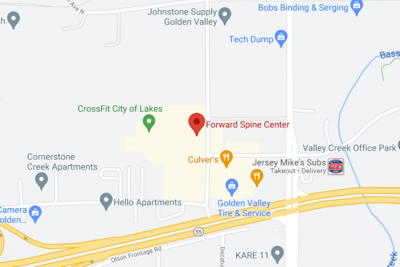
At Forward Spine Center, we emphasize a whole-body approach to care. Understanding your cycle is one powerful way to reconnect with your body and recognize its signals.
As Brooke shared, many women experience a shift—from frustration or confusion to clarity and confidence—when they begin tracking their cycle.
A Simple Takeaway
Start with curiosity.
You don’t need to track everything perfectly. Paying attention to patterns and asking questions is a meaningful first step toward better health.
Learn More
Brooke Noble is currently developing a program to help more women learn fertility awareness and cycle tracking.
Website: Coaching From Brooke
Instagram: @coachingfrombrooke

Dr. Madeline Klesk
Contact Me