Quick answer: Shockwave therapy is a noninvasive option sometimes used for plantar fasciitis that has not improved after months of stretching, supportive shoes and rest. The evidence is mixed, so it works best as one part of a plan that also loads and stretches the calf and plantar fascia. At Forward Spine Center in Golden Valley, shockwave therapy is provided by Dr. Timothy Klesk, DC, who is certified through The Academy of Shockwave Excellence, after an exam to confirm what is causing your heel pain.
What is plantar fasciitis?
The plantar fascia is a thick band of tissue that runs along the bottom of your foot from the heel to the toes. Plantar fasciitis is pain where that band attaches to the heel. The classic sign is sharp heel pain with your first steps in the morning or after sitting, which often eases as you walk and then returns after long periods on your feet. It is common in runners, people who stand for work, and people who have recently increased their activity.
Why does heel pain hang on for so long?
Most plantar fasciitis settles with simple care: calf and plantar fascia stretching, supportive footwear, and easing back on the activities that aggravate it. When it lasts for many months, the tissue has often stopped responding to rest alone. That is the point where people start asking about options like shockwave therapy.
What does the research say about shockwave for plantar fasciitis?
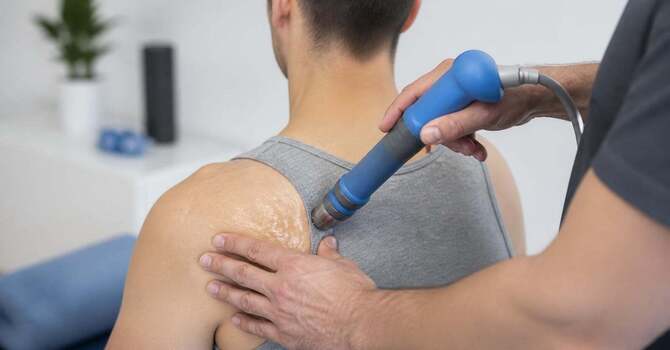
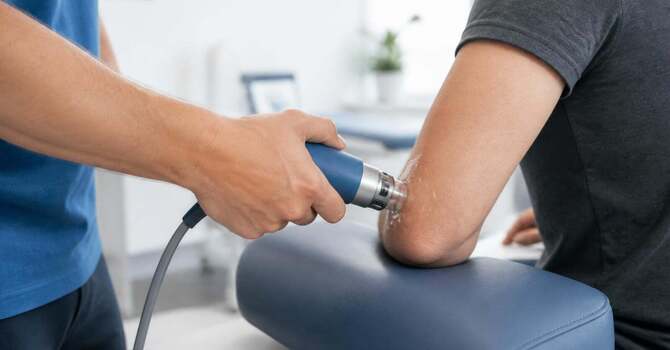
Extracorporeal shockwave therapy (ESWT) delivers acoustic pressure waves through the skin into the painful area and is thought to stimulate a healing response. The American Academy of Orthopaedic Surgeons describes the results of ESWT for plantar fasciitis as mixed and notes that it is not clear the treatment is helpful for everyone, while also pointing out that it is noninvasive (AAOS OrthoInfo: Plantar Fasciitis and Bone Spurs). We think that is the honest way to describe it: a reasonable option to discuss for stubborn heel pain, not a guaranteed fix.
What does a shockwave plan for heel pain look like at Forward Spine Center?
- Exam first. Dr. Klesk checks whether your pain is plantar fasciitis or something else, such as a nerve problem, a stress reaction, or pain coming from the back or ankle.
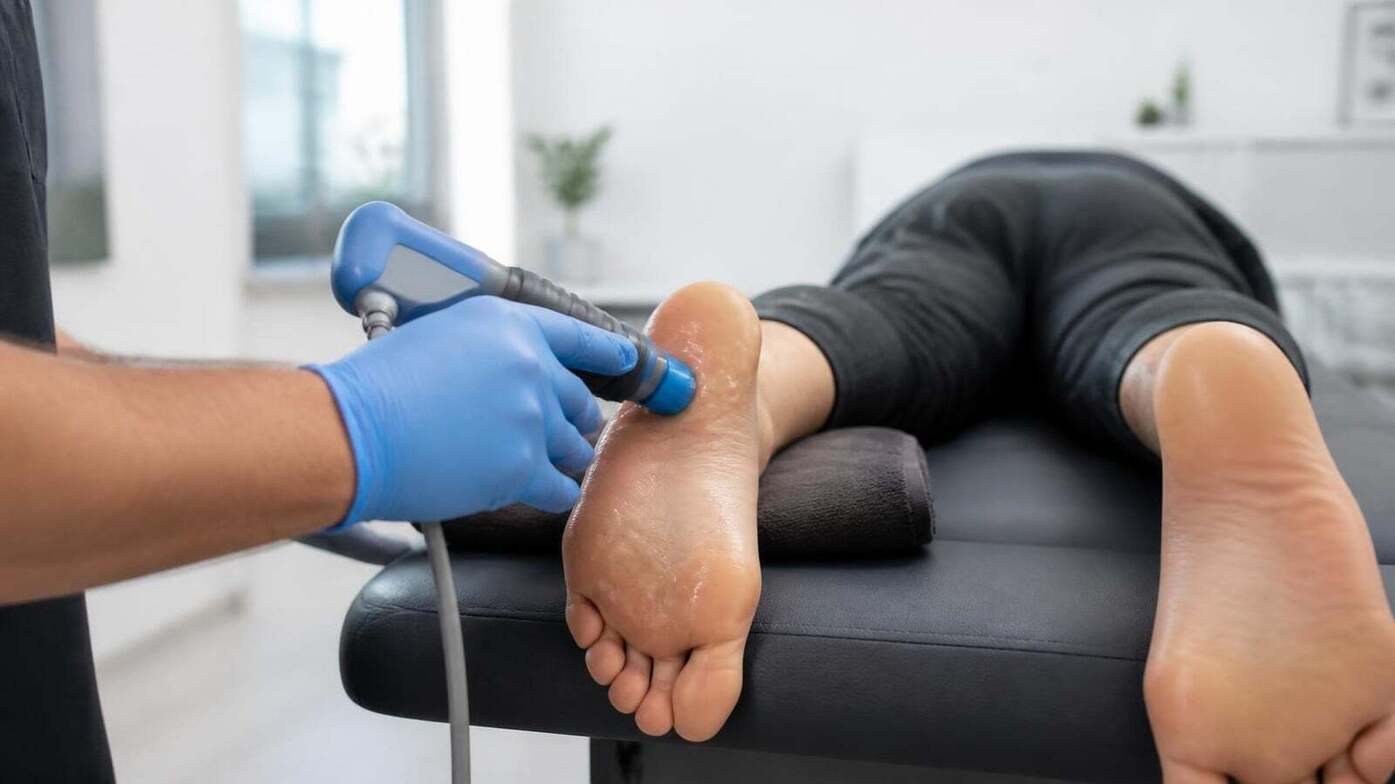
- Shockwave sessions, if appropriate. Gel is applied and acoustic waves are delivered to the heel with a handheld applicator. Sessions are short, and most people go back to normal activities the same day.
- Loading and stretching. Calf strengthening, plantar fascia stretching, and a gradual return to walking, standing or running.
- Everything else under one roof. Depending on your exam, care may also include chiropractic, acupuncture, or rehab exercises. See the conditions we treat.
When should you see a medical doctor instead?
See a medical provider promptly if your heel pain started with a fall or injury, if you cannot put weight on the foot, if there is numbness or tingling, significant swelling, redness or warmth, or fever, or if you have diabetes and notice changes in the skin or sensation of your feet.
Frequently asked questions
Does shockwave therapy work for plantar fasciitis?
Results are mixed. Some people improve and others do not, which is why it is paired with stretching and strengthening and offered after an exam rather than as a first step for new heel pain.
Does shockwave therapy on the heel hurt?
Most people feel a strong tapping or pulsing that can be uncomfortable over the sorest spot. Intensity is adjusted to your comfort during the session.
How many shockwave sessions are needed for heel pain?
Shockwave is usually given as a short series of sessions rather than a single visit. Dr. Klesk will give you an estimate after your exam.
Can I keep walking or running during treatment?
Usually yes, with adjustments. Most people keep moving while temporarily reducing whatever aggravates the heel. Runners can read more in Shockwave Therapy for Runners.
Where can I get shockwave therapy for heel pain near Golden Valley?
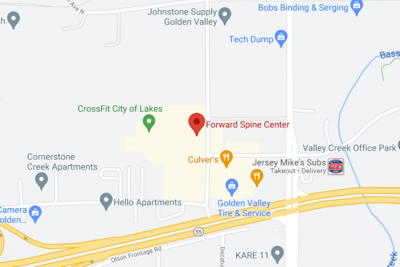
Forward Spine Center, 701 Decatur Ave N, Ste 102, Golden Valley, MN, serving Golden Valley, Minneapolis, St. Louis Park, Plymouth and the west metro. Book online or call 763-332-2680.
Keep reading
- Shockwave therapy at Forward Spine Center
- Does shockwave therapy work for chronic pain?
- Shockwave vs. cortisone vs. PRP for chronic tendon pain
- How to choose a certified shockwave provider near Minneapolis
- Shockwave therapy for tennis elbow and golfer's elbow
- Shockwave therapy for shoulder pain and calcific tendinitis
Written by Dr. Timothy Klesk, DC, certified in shockwave therapy through The Academy of Shockwave Excellence. Published . This article is educational and is not a substitute for an in-person evaluation.
Dr. Tim Klesk
Contact Me