Quick answer: Shockwave therapy is a noninvasive treatment that is often used for stubborn tendon pain in runners, including Achilles tendinopathy, high hamstring tendinopathy, and gluteal tendon pain on the outside of the hip. It tends to work best as part of a rehab plan that includes progressive strengthening and smart changes to training load, not as a stand-alone fix. At Forward Spine Center in Golden Valley, Dr. Timothy Klesk, DC, certified through The Academy of Shockwave Excellence, combines shockwave with chiropractic care and rehab for runners across the Twin Cities.
Why do tendon injuries linger in runners?
Tendons adapt more slowly than muscles. When mileage, speed work, or hills increase faster than a tendon can adapt, it can become irritated and painful. Rest often calms the pain, but it frequently comes back when running resumes, because rest alone does not rebuild the tendon's capacity to handle load. That cycle is why tendon pain can drag on for months.
How can shockwave therapy help runners?
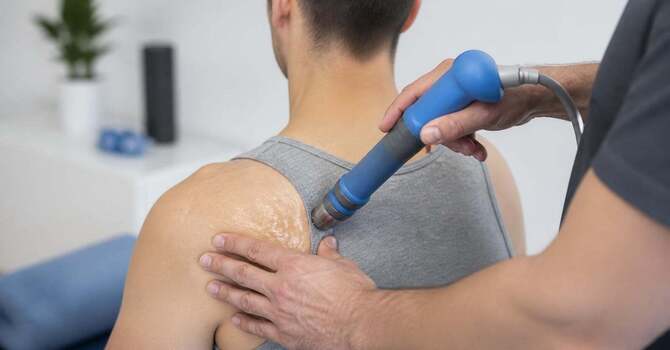
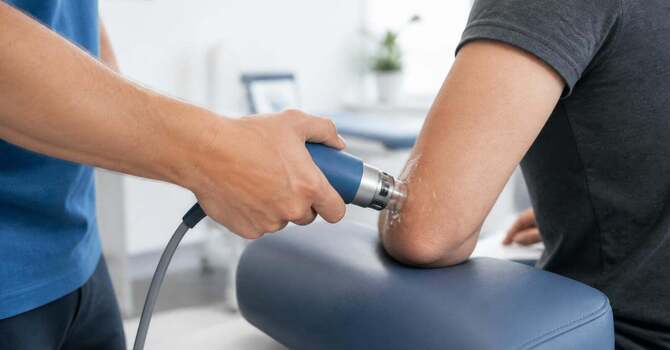
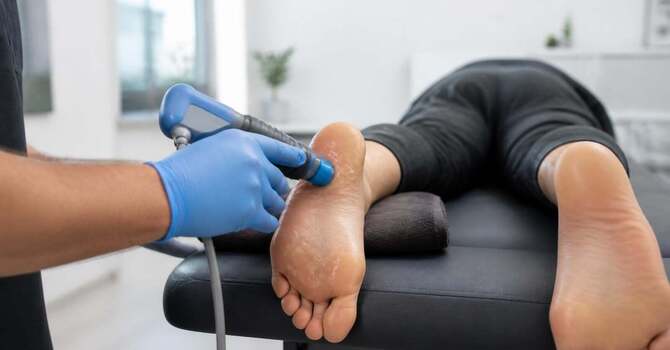
Shockwave therapy delivers acoustic pressure waves into the painful tendon. It is thought to reduce pain and stimulate a healing response in tissue that has stalled. For runners, the practical benefit is that it can calm symptoms enough to let you do the strengthening work that actually rebuilds the tendon. For a full explanation of how shockwave works, see Does Shockwave Therapy Work for Chronic Pain?
Shockwave for Achilles tendon pain
Achilles pain in runners usually shows up either in the middle of the tendon or where it attaches to the heel. Shockwave therapy has been studied for both, most often alongside a calf-strengthening program. A typical plan pairs shockwave sessions with progressive calf loading, a temporary adjustment in mileage or hills, and a look at footwear and training changes that may have triggered the flare. Our running shoe article with a local expert is a useful read here: Finding the Right Running Shoe.
Shockwave for high hamstring tendon pain
High hamstring tendinopathy causes a deep ache near the sit bone, often worse with hills, speed work, or long periods of sitting. It is known for being slow to settle. Shockwave may be used to reduce pain while you progress hamstring strengthening, with temporary changes to activities that compress the tendon, such as deep hip flexion and prolonged sitting on hard surfaces.
Shockwave for outer hip (gluteal tendon) pain
Pain on the outside of the hip, sometimes called greater trochanteric pain syndrome, is common in distance runners. It often involves the gluteal tendons. Shockwave therapy is one of the treatment options commonly used for this condition, typically combined with hip strengthening and changes to habits like sleeping on the painful side or standing with weight shifted onto one hip.
What does a shockwave plan for runners look like at Forward Spine Center?
- Exam first. We confirm the diagnosis and rule out problems that need a different approach, such as a suspected stress fracture.
- Shockwave sessions. A short series of sessions, usually spaced about a week apart. Most people keep up light activity during treatment.
- Strength and load plan. Specific exercises for the tendon involved and guidance on how to adjust mileage, pace, and hills while it recovers.
- Supporting care. Chiropractic care and soft-tissue work for the hips, pelvis, and lower back when mechanics are contributing.
Learn more on our shockwave therapy page, or read how to choose a certified shockwave provider.
When should a runner see a medical doctor instead?
See a medical provider promptly if you have sudden severe pain with a pop in the back of the ankle, cannot bear weight, have pinpoint bone pain that suggests a stress fracture, significant swelling, or pain with fever. These need medical evaluation before any treatment like shockwave.
Frequently asked questions
Can I keep running during shockwave therapy?
Often yes, with adjustments. Many runners continue at reduced volume or intensity while the tendon recovers. Your provider will give you guidance based on your symptoms.
How soon will I notice a difference?
It varies. Some people notice changes within a few sessions, while tendon healing continues for weeks after treatment. Shockwave is not guaranteed to work for everyone, which is why it is paired with a strengthening plan.
Is shockwave therapy the same as massage guns or percussion devices?
No. Massage guns work on muscle tissue near the surface. Shockwave therapy uses a medical device that delivers acoustic pressure waves into the tendon and is performed by a trained provider after an exam.
Where can Twin Cities runners get shockwave therapy?
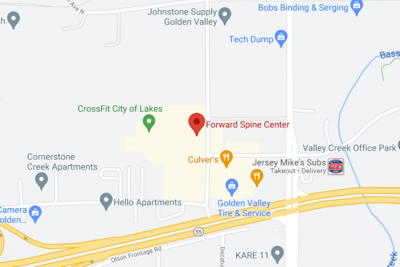
Forward Spine Center, 701 Decatur Ave N, Ste 102, Golden Valley, MN. Book online or call 763-332-2680.
More shockwave guides
- Shockwave therapy for plantar fasciitis and heel pain
- Shockwave therapy for tennis elbow and golfer's elbow
- Shockwave therapy for shoulder pain and calcific tendinitis
Written by Dr. Timothy Klesk, DC, certified in shockwave therapy through The Academy of Shockwave Excellence. Published . This article is educational and is not a substitute for an in-person evaluation.
Dr. Tim Klesk
Contact Me