Quick answer: Shockwave therapy, cortisone injections, and platelet-rich plasma (PRP) are three common options for chronic tendon pain such as plantar fasciitis, tennis elbow, and Achilles or shoulder tendon pain. Shockwave is noninvasive and aims to stimulate healing in the tissue. Cortisone is an injected anti-inflammatory that often gives faster short-term relief. PRP is an injection made from your own blood that aims to support tissue repair. The best choice depends on your condition, how long you have had it, and your goals. Many people try a noninvasive option like shockwave, combined with rehab, before moving to injections.
How does each treatment work?
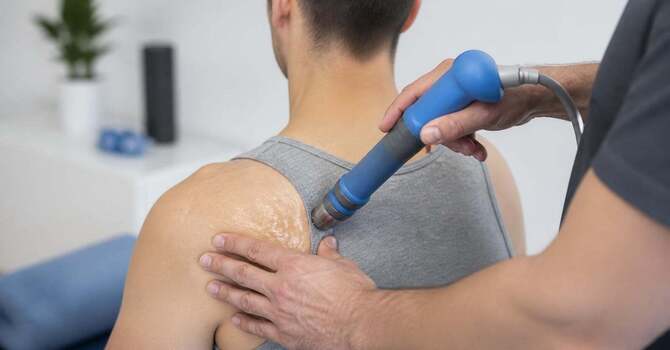
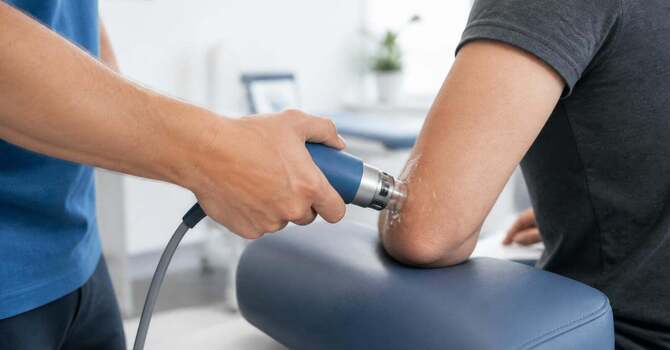
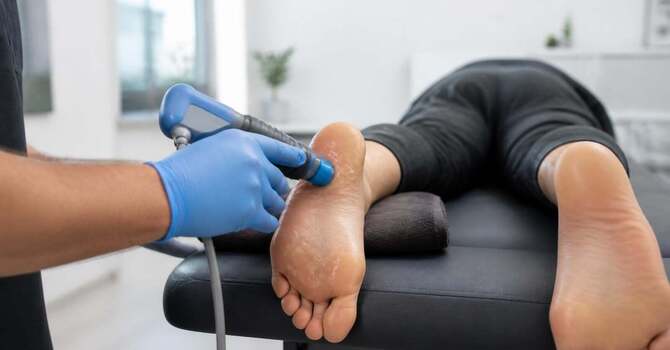
- Shockwave therapy (ESWT): A device delivers acoustic pressure waves through the skin into the painful tendon. It is thought to reduce pain and restart a healing response in tissue that has stalled. No needles and no medication.
- Cortisone (corticosteroid) injection: A steroid injected near the painful area to reduce inflammation and pain. It is given by a medical provider.
- Platelet-rich plasma (PRP): A small amount of your blood is drawn and concentrated, then injected into the tendon. It is given by a medical provider.
Side-by-side comparison
| Shockwave therapy | Cortisone injection | PRP injection | |
|---|---|---|---|
| Needles | No | Yes | Yes (blood draw and injection) |
| Typical course | A short series of sessions | Usually a single injection | Often one to a few injections |
| Main goal | Reduce pain and stimulate tissue healing | Reduce inflammation and pain | Support tissue repair |
| Downtime | Usually little to none | Usually short | Often a period of reduced activity |
| Who provides it | Trained clinicians, including chiropractors | Medical providers | Medical providers |
What should I know about cortisone for tendon pain?
Cortisone can provide meaningful short-term relief, which is why it is widely used. For some chronic tendon problems, research suggests the relief may not last as long as other approaches, and providers are often cautious about repeated injections into or near tendons. If you are considering cortisone, ask your medical provider how long relief usually lasts for your condition and how many injections are reasonable.
What should I know about PRP?
PRP uses your own blood, which appeals to many people. Research results vary by condition and preparation method. It is usually performed by a sports medicine or orthopedic provider, and it is often not covered by insurance. Ask about expected recovery time and activity restrictions afterward.
Where does shockwave therapy fit?
Shockwave therapy is a noninvasive option that is commonly used for chronic plantar fasciitis, tennis elbow, calcific shoulder tendinitis, and other tendon problems that have not improved with rest and standard care. It is usually combined with a strengthening and load-management plan, because rebuilding the tendon's capacity is what helps keep pain from coming back. For more on the research and who is a good candidate, read Does Shockwave Therapy Work for Chronic Pain? Runners can also read Shockwave Therapy for Runners.
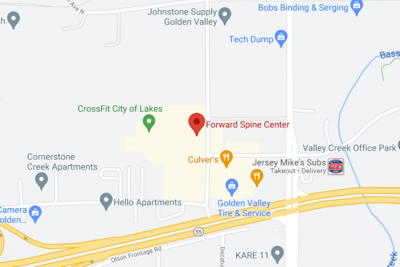
At Forward Spine Center in Golden Valley, shockwave therapy is provided by Dr. Timothy Klesk, DC, who is certified through The Academy of Shockwave Excellence. We do not provide injections. If an injection may be the better option for you, we will tell you and work alongside your medical provider.
Questions to ask before choosing
- What is the exact diagnosis, and how confident are we in it?
- What does the evidence show for my specific condition with this treatment?
- How many sessions or injections should I expect, and what is the recovery time?
- What will I be doing for strength and load management alongside this treatment?
- What is the plan if this does not help?
When to see a medical doctor
If you have sudden severe pain, a suspected tendon rupture, inability to bear weight, significant swelling, numbness, or fever, see a medical provider promptly. Those situations need medical evaluation first.
Frequently asked questions
Can I have shockwave therapy after a cortisone shot?
Sometimes, but timing matters. Tell your provider about any recent injections so they can advise you on spacing.
Is shockwave therapy better than cortisone?
They do different things. Cortisone often works faster in the short term, while shockwave aims at longer-term tissue healing without an injection. The right choice depends on your condition and goals, and it is worth discussing with both your medical provider and a trained shockwave provider.
Do you offer PRP or cortisone at Forward Spine Center?
No. We offer noninvasive care, including shockwave therapy, chiropractic care, acupuncture, and rehabilitation, and we coordinate with medical providers when injections may be appropriate.
How do I find out if shockwave is right for me?
Start with an exam. Book online or call 763-332-2680. Learn more on our shockwave therapy page, or read how to choose a certified shockwave provider.
More shockwave guides
- Shockwave therapy for plantar fasciitis and heel pain
- Shockwave therapy for tennis elbow and golfer's elbow
- Shockwave therapy for shoulder pain and calcific tendinitis
Written by Dr. Timothy Klesk, DC, certified in shockwave therapy through The Academy of Shockwave Excellence. Published . This article is educational and is not a substitute for an in-person evaluation.
Dr. Tim Klesk
Contact Me